(Get Enough) Mac OS
Which Mac operating system is the best is a topic of numerous debates among Apple fans.
Since the mission of this blog is to refute myths and legends around Macs, it’s time for me to provide my 2 cents about the issue on hand. While everything below is just my opinion, as a long-time Mac user and veteran software engineer, I hope my opinion worth something.
OS X is free with the purchase of an Apple-branded computer. If you don't purchase a computer, you can purchase a retail version of the operating system at cost.
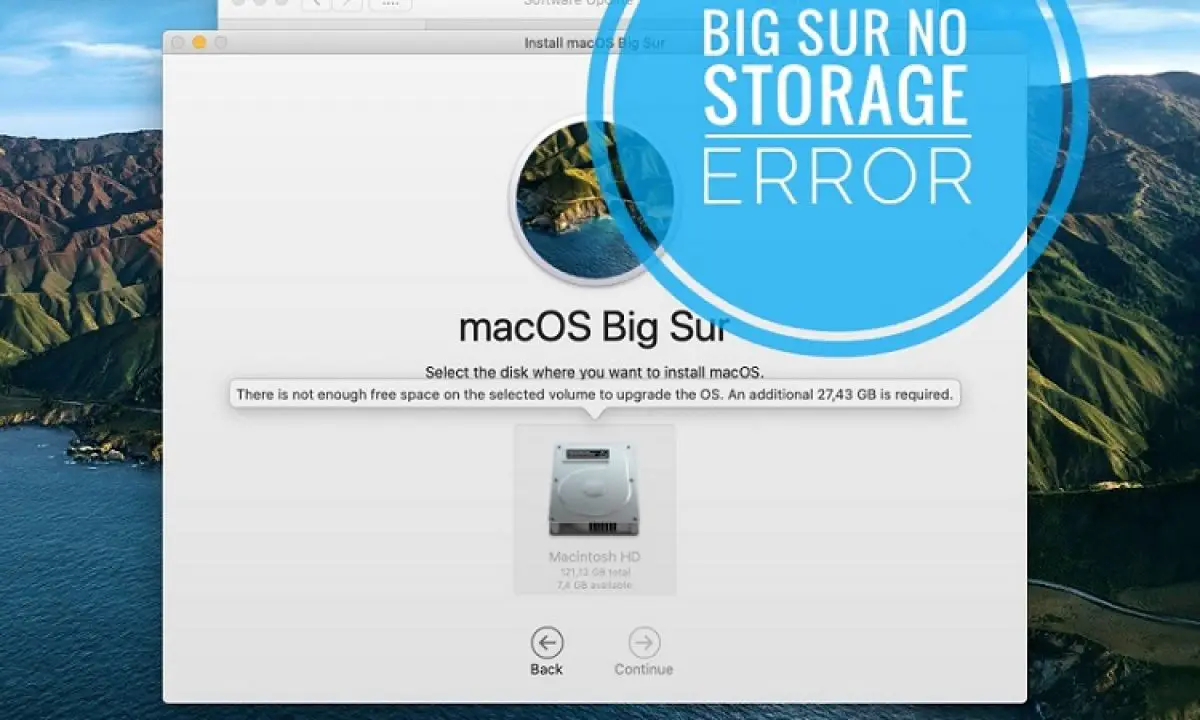
- Your Mac uses disk space to store temporary files and provide storage for active apps and tasks (which is what RAM does), so you should never be running with almost no disk space left. Tip CleanMyMac X makes it very easy to free up disk space on your Mac by identifying junk files and allowing you to get rid of them with a click.
- Given your Mac isn’t new and is filled with data, you will probably need enough free space on your Mac. This includes not just space for the OS itself but also space for other applications and your user data. One more argument is that the free space on your disk translates into virtual memory so your apps have “fuel” to operate on.
- The term Mac OS stands for Macintosh Operating System. It’s a UNIX based operating system by Apple, exclusively for MacBooks and iMacs. In the market of Desktops, Laptops, and Home Computers it’s the second most widely used desktop OS after Windows. Brief History of Mac Os.
- Check Hard Drive Space - Make sure you have sufficient hard drive space for the installation of Mac OS X El Capitan. Yosemite will normally require a Hard drive space of up to 5GB, but the new El Capitan will require between 15g and 20gb of space on your hard drive for successful download and installation.
The best Mac OS version is the one that your Mac is eligible to upgrade to. In 2021 it is macOS Big Sur. However, for users that need to run 32-bit apps on Mac, the best macOS is Mojave. Also, older Macs would benefit if upgraded at least to macOS Sierra for which Apple still releases security patches.
How to Tell Which macOS You Are Running
To find out which macOS is currently running on your Mac, follow these steps:
- Click on Apple logo in the top left corner of the menubar
- In the dropdown click on the first item: About This Mac
- The first line in the Overview tab is the name of the current OS.
What Version of OS Can My Mac Run?
Not all Macs can be upgraded to the latest OS version. For instance, old Macs powered by PowerPC CPUs cannot run OS intended for Intel-based computers. Also, some versions have hardware limitations.
For instance, Mojave cannot be installed on MacBook Pro earlier than Mid 2012 model.
Check below to know exactly what version of OS your Mac can run.
Which OS is Best for my Mac
Anytime someone asks me which OS is best for them I always suggested going with the latest. Things have changed recently, however.
Should I Upgrade to macOS Catalina or Big Sur?
While personally I like macOS Big Sur and have it installed on my MacBook Pro, it comes with serious breaking changes.
The first issue is compatibility.
Big Sur is a transition OS which is designed to help Apple to move from Intel processors to their own chips on ARM.
After I installed Big Sur on my MacBook Pro mid 2020 (pre-Silicon), most of my apps, including Microsoft Office, were working as expected.
However, my VMWare Fusion 11 does not start anymore, so I have to purchase a new license if I want to keep using it (or roll back to Catalina). Luckily, I took a full backup before the upgrade.
The second breaking issue is the lack of 32-bit app support.
macOS Catalina and Big Sur can only run 64-bit apps.
If you wondering whether you should upgrade to macOS Catalina or Big Sur, first verify that you don’t have any 32-bit apps. But first, take a back up, so you can go back in case something breaks after the upgrade.
For instance, I had to remove uTorrent after upgrade. And I didn’t know that uTorrent is 32-bit!
How to Know If App is 32-bit or 64-bit
To find out whether the app on your Mac is 32-bit or 64-bit follow these steps:
- Click on Apple logo in the top left corner of the Mac screen
- Click on About This Mac option
- Click on System Report button in Overview tab (first one)
- Scroll down to Software -> Applications
- Find the app and check Kind
Which macOS Should I Use
If you have an older Mac which is not eligible to upgrade with some latest software or hardware, I’d suggest upgrading at least to Sierra (or better High Sierra) for the following reasons:
- Sierra is still supported by Apple, and it gets security updates
- APFS file system is available
- It supports Siri
- Significant security improvements
The most important point when choosing the best OS is the ability to get security updates. While Apple generally does not announce the OS end of life dates, it is possible to know when they stop releasing security updates from this page.
For instance, according to the page, the last security update for OS X Yosemite was released on September 12, 2017. The last update for OS X El Capitan was in July 2018, and Carnegie Mellon University confirmed that El Capitan’s end of life date was August 2018.
Snow Leopard Myth
I know that some users on forums believe that the best OS version for Macs was Snow Leopard. But that is a myth. And I know how such myths get created.
Once I worked in the company, which was selling a 20-year old product. And customers were still using and didn’t want to switch to new versions, because the old one was rock solid.
I then talked to the engineer who worked on the project, and he revealed that the product was a total disaster when it was first deployed. Engineers had to work on-site for almost a year in order to fix all bugs.
After five or so years of polishing the product, it becomes virtually bug-free, and nobody now remembers how bad it was when it was first rolled out. A similar thing happened Snow Leopard, and it was recognized as best mac os version after some time.
How to Update to the Latest Version
There are two ways to update to the latest OS version on Mac:
- From the Software Update section in System Preferences
- Use a download link
Using Software Update
This is by far the best option, but it only available if you have Yosemite, or later OS installed already. If you enabled automatic updates, then Mac will inform you that the next macOS is available.
Just open System Preferences, go to Software Update and click on the Upgrade Now button.
This method is also best if wondering how to check if you have the latest version of OS installed on your Mac. Only the version compatible with your hardware will appear here.
For instance, my the latest version for Mac Mini 2012 is Mojave, I can’t install anything newer than that.
If you are having problems with updates or having issues post-upgrade check my post about troubleshooting macOS.
Using download links
For older systems or in case you need to downgrade, you have to download a standalone installer in DMG format. DMG stands for disk image, similar to ISO, just different formats.
After downloading the installer, just double click on it and follow instructions. Again, do not forget to take a backup before the upgrade.
Mac OS Comparisons: Requirements, Features, Compatibility, Download Links
Following is a high-level description of all Mac operating systems as early as Mountain Lion.
You can refer to those descriptions when deciding which operating system is best for your iMac, Mac Pro, Mac mini, or MacBook.
With each OS description, I included a list of Macs supported. However, you can use Mac OS compatibility checker for more detailed information.
macOS 11 Big Sur
macOS v11 (codename Big Sur) is the latest version of the operating system for Apple computers.
Release date: October 13, 2020
Hardware Requirements: RAM requirement 4GB. Big Sur is the first OS to support new Macs using ARM technology (in the future).
Features
- The biggest design refresh since macOS X.
- Support for new ARM processors.
- Safar improved performance and power consumption.
- Time Machine supports backup to APFS volumes.
- One-click translation for 7 languages.
- Redesigned maps
Software Compatibility Issues
Only 64-bit apps are allowed to run on Big Sur.
How to install
There are two ways to install Big Sur: enable automatic updates in System Preferences or download by using the following link.
Or check my post with tips on installing macOS on unsupported devices.
List of Apple computers compatible with macOS Big Sur
- MacBook (2015 and later)
- MacBook Air (2013 and later)
- MacBook Pro (2013 and later)
- Mac mini (2014 and later)
- iMac models (2014 and later)
- iMac Pro (2017 and later)
- Mac Pro (2013 and later)
macOS 10.15 Catalina
Release date: October 7, 2019
Hardware Requirements: RAM requirement increased from 2GB to 4GB.
Features
- Introduced Sidecar, which allows for Macs to use an iPad as an external display.
- iTunes was replaced by separate apps: Music, Podcasts, and TV.
- Find My Mac and Find My Friends have merged into one app.
Software Compatibility Issues
macOS Catalina is the first Mac operating system that does not support 32-bit applications. Only 64-bit apps are allowed to run on Catalina.
How to install
There are two ways to install Catalina: enable automatic updates in System Preferences or download by using the following link.
List of Apple computers compatible with macOS Catalina
- MacBook (Early 2015 or later)
- MacBook Air (Mid 2012 or later)
- MacBook Pro (Mid 2012 or later)
- Mac mini (Late 2012 or later)
- iMac models (Late 2012 or later)
- iMac Pro (All models)
- Mac Pro (Late 2013)
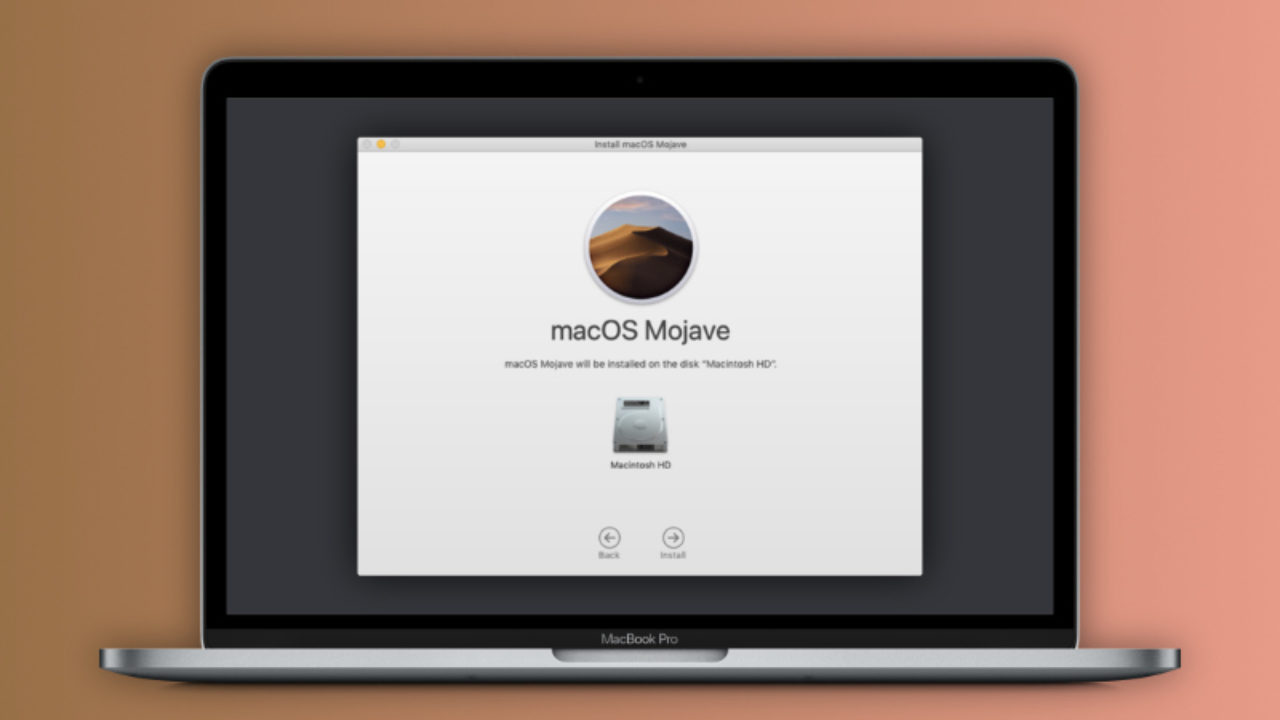
macOS 10.14 Mojave
Release date: September 24, 2018
Hardware Requirements: 2GB RAM and 18.5GB free space on disk
Features
- The main feature of Mojave is “Dark Mode”
- FaceTime adds group feature which allows chatting with up to 32 people
- News, Stocks, Voice Memos, and Home apps were ported from iOS to Mac.
How to install
If your Mac is eligible to update to Mojave, then the easiest way to install it is by enabling automatic updates. Downloading a standalone Mojave installer could be a little tricky.
List of Apple computers compatible with macOS Mojave
- MacBook (Early 2015 or later)
- MacBook Air (Mid 2012 or later)
- MacBook Pro (Mid 2012 or later)
- Mac mini (Late 2012 or later)
- iMac (Late 2012 or later)
- iMac Pro (All models)
- Mac Pro (Late 2013 and 2010-2012 models with upgraded GPU)
macOS 10.13 High Sierra
Release date: September 25, 2017
Hardware Requirements: 2GB RAM and 14.3GB free space on disk
Features
- APFS (Apple File System) becomes the default file system in High Sierra. It’s a significant upgrade from the older HFS+ in terms of speed, size, and security
- iCloud support of Messages which allows sync messages of the account across multiple devices
- Mail app uses 35% less storage space due to optimizations
List of Apple computers compatible with macOS High Sierra
- MacBook (Late 2009 or newer)
- MacBook Pro (Mid 2010 or newer)
- MacBook Air (Late 2010 or newer)
- Mac mini (Mid 2010 or newer)
- iMac (Late 2009 or newer)
- Mac Pro (Mid 2010 or newer)
How to install
Here is a High Sierra download link.
macOS 10.12 Sierra
This is the first macOS version. Previous OS versions for Macs were called OS X (X stands for 10).
Release date: September 20, 2016
Hardware Requirements: 2GB RAM and 8GB free space on disk
Features
- Siri was introduced to Macs
- Optimized storage with iCloud sync
- Auto-lock feature allows unlocking MacBook with paired Apple Watch
- APFS preview available
- Disk Utility can manage RAID sets again
- Significant security improvements
How to install
Here is a Sierra download link.
List of Apple computers compatible with macOS Sierra
- MacBook (Late 2009 or newer)
- MacBook Pro (Mid 2010 or newer)
- MacBook Air (Late 2010 or newer)
- Mac mini (Mid 2010 or newer)
- iMac (Late 2009 or newer)
- Mac Pro (Mid 2010 or newer)
OS X 10.11 El Capitan
Last OS X version.
Release date: September 30, 2015
Hardware Requirements: 2GB RAM and 8GB free space on disk
Features
- System Integrity Protection – a security feature that protects even when the root user executes the process
- Performance improvements: open PDF files four times faster, Mail is twice faster, launching apps 40% faster
- Notes app similar to the app in iOS
Macs compatible with OS X El Capitan
same as OS Mountain Lion.
How to install
Here is El Capitan download link.
OS X 10.10 Yosemite
Release date: October 16, 2014
Hardware Requirements: 2GB RAM and 8GB free space on disk
Macs compatible with OS X Yosemite
Same as OS Mountain Lion.
Features
- Major user design overhaul
- Introduction of Handoff and Continuity features
- Photos app replaced iPhoto and Aperture
How to install
Here is Yosemite download link.
OS X 10.9 Mavericks
First free Mac OS. Previous OS versions vary from $19.99 to $129.
Release date: October 22, 2013
Hardware Requirements: 2GB RAM and 8GB free space on disk
Features
- Compressed Memory feature automatically compresses inactive apps when approaching maximum memory capacity
- Timer coalescing is a feature that reduces CPU usage by up to 72 percent
- App Nap puts apps that are not currently visible to sleep
Macs compatible with OS X Mavericks
Same as OS Mountain Lion.
How to install
OS X Mavericks installer is not available on Apple Site. Follow instructions here to install Mavericks.
OS X 10.8 Mountain Lion
Must be purchased. Fixed many bugs introduced in OS X Lion.
Release date: July 25, 2012
System Requirements: 2GB RAM and 8GB free space on disk
Features
- New apps: Notification Center, Notes, Messages, Game Center
- AirPlay mirroring allowed to mirror Mac screen to Apple TV
- Application updates automatically install from the App Store
List of Apple computers compatible with OS X Mountain Lion
- iMac (Mid-2007 or newer)
- MacBook (Late 2008 Aluminum, or Early 2009 or newer)
- MacBook Air (Late 2008 or newer)
- MacBook Pro (Mid/Late 2007 or newer)
- Mac mini (Early 2009 or newer)
- Mac Pro (Early 2008 or newer)
- Xserve (Early 2009)
How to install
Mountain Lion installer is not available on Apple Site. Follow instructions here to install OS X Mountain Lion.
List of older Mac OS Versions
Following Mac OS versions are still running on older Macs, but Apple does not support them anymore, and there is no point to upgrade (or downgrade) to them:
- OS X 10.7 Lion
- OS X 10.6 Snow Leopard
- Mac OS X 10.5 Leopard
- Mac OS X 10.4 Tiger
- Mac OS X 10.3 Panther
- Mac OS X 10.2 Jaguar
- Mac OS X 10.1 Puma
- Mac OS X 10.0 Cheetah
Optimized Storage helps you save storage space space by storing your content in iCloud and making it available on demand:
- When storage space is needed, files, photos, movies, email attachments, and other files that you seldom use are stored in iCloud automatically.
- Each file stays right where you last saved it, and downloads when you open it.
- Files that you’ve used recently remain on your Mac, along with optimized versions of your photos.
If you haven't yet upgraded to macOS Sierra or later, learn about other ways to free up storage space.
Find out how much storage is available on your Mac
Choose Apple menu > About This Mac, then click Storage. Each segment of the bar is an estimate of the storage space used by a category of files. Move your pointer over each segment for more detail.
Click the Manage button to open the Storage Management window, pictured below.
Manage storage on your Mac
The Storage Management window offers recommendations for optimizing your storage. If some recommendations are already turned on, you will see fewer recommendations.
Store in iCloud
Click the Store in iCloud button, then choose from these options:
- Desktop and Documents. Store all files from these two locations in iCloud Drive. When storage space is needed, only the files you recently opened are kept on your Mac, so that you can easily work offline. Files stored only in iCloud show a download icon , which you can double-click to download the original file. Learn more about this feature.
- Photos. Store all original, full-resolution photos and videos in iCloud Photos. When storage space is needed, only space-saving (optimized) versions of photos are kept on your Mac. To download the original photo or video, just open it.
- Messages. Store all messages and attachments in iCloud. When storage space is needed, only the messages and attachments you recently opened are kept on your Mac. Learn more about Messages in iCloud.
Storing files in iCloud uses the storage space in your iCloud storage plan. If you reach or exceed your iCloud storage limit, you can either buy more iCloud storage or make more iCloud storage available. iCloud storage starts at 50GB for $0.99 (USD) a month, and you can purchase additional storage directly from your Apple device. Learn more about prices in your region.
Optimize Storage
Click the Optimize button to save space by automatically removing watched movies and TV shows. When storage space is needed, movies or TV shows that you purchased from Apple and already watched are removed from your Mac. Click the download icon next to a movie or TV show to download it again.
Your Mac will also save space by keeping only recent email attachments on this Mac when storage space is needed. You can manually download any attachments at any time by opening the email or attachment, or saving the attachment to your Mac.
Optimizing storage for movies, TV shows, and email attachments doesn't require iCloud storage space.
Empty Trash Automatically
Empty Trash Automatically permanently deletes files that have been in the Trash for more than 30 days.
Reduce Clutter
Reduce Clutter helps you identify large files and files you might no longer need. Click the Review Files button, then choose any of the file categories in the sidebar, such as Applications, Documents, Music Creation, or Trash.
You can delete the files in some categories directly from this window. Other categories show the total storage space used by the files in each app. You can then open the app and decide whether to delete files from within it.
Learn how to redownload apps, music, movies, TV shows, and books.
Where to find the settings for each feature
The button for each recommendation in the Storage Management window affects one or more settings in other apps. You can also control those settings directly within each app.
- If you're using macOS Catalina or later, choose Apple menu > System Preferences, click Apple ID, then select iCloud in the sidebar: Store in iCloud turns on the Optimize Mac Storage setting on the right. To turn off iCloud Drive entirely, deselect iCloud Drive.
- If you're using macOS Mojave or earlier, choose Apple menu > System Preferences, click iCloud, then click Options next to iCloud Drive. Store in iCloud turns on the Desktop & Documents Folders and Optimize Mac Storage settings.
- In Photos, choose Photos > Preferences, then click iCloud. Store in iCloud selects iCloud Photos and Optimize Mac Storage.
- In Messages, choose Messages > Preferences, then click iMessage. Store in iCloud selects Enable Messages in iCloud.
- If you're using macOS Catalina or later, open the Apple TV app, choose TV > Preferences from the menu bar, then click Files. Optimize Storage selects “Automatically delete watched movies and TV shows.”
- In you're using macOS Mojave or earlier, open iTunes, choose iTunes > Preferences from the menu bar, then click Advanced. Optimize Storage selects “Automatically delete watched movies and TV shows.”
- In Mail, choose Mail > Preferences from the menu bar, then click Accounts. In the Account Information section on the right, Optimize Storage sets the Download Attachments menu to either Recent or None.
Empty Trash Automatically: From the Finder, choose Finder > Preferences, then click Advanced. Empty Trash Automatically selects “Remove items from the Trash after 30 days.”
Other ways that macOS helps automatically save space
With macOS Sierra or later, your Mac automatically takes these additional steps to save storage space:
- Detects duplicate downloads in Safari, keeping only the most recent version of the download
- Reminds you to delete used app installers
- Removes old fonts, languages, and dictionaries that aren't being used
- Clears caches, logs, and other unnecessary data when storage space is needed
How to free up storage space manually
Even without using the Optimized Storage features described in this article, you can take other steps to make more storage space available:
Mac Os Download
- Music, movies, and other media can use a lot of storage space. Learn how to delete music, movies, and TV shows from your device.
- Delete other files that you no longer need by moving them to the Trash, then emptying the Trash. The Downloads folder is good place to look for files that you might no longer need.
- Move files to an external storage device.
- Compress files.
- Delete unneeded email: In the Mail app, choose Mailbox > Erase Junk Mail. If you no longer need the email in your Trash mailbox, choose Mailbox > Erase Deleted Items.
Learn more
Mac Os Versions
- The Storage pane of About This Mac is the best way to determine the amount of storage space available on your Mac. Disk Utility and other apps might show storage categories such as Not Mounted, VM, Recovery, Other Volumes, Free, or Purgeable. Don't rely on these categories to understand how to free up storage space or how much storage space is available for your data.
- When you duplicate a file on an APFS-formatted volume, that file doesn't use additional storage space on the volume. Deleting a duplicate file frees up only the space required by any data you might have added to the duplicate. If you no longer need any copies of the file, you can recover all of the storage space by deleting both the duplicate and the original file.
- If you're using a pro app and Optimize Mac Storage, learn how to make sure that your projects are always on your Mac and able to access their files.